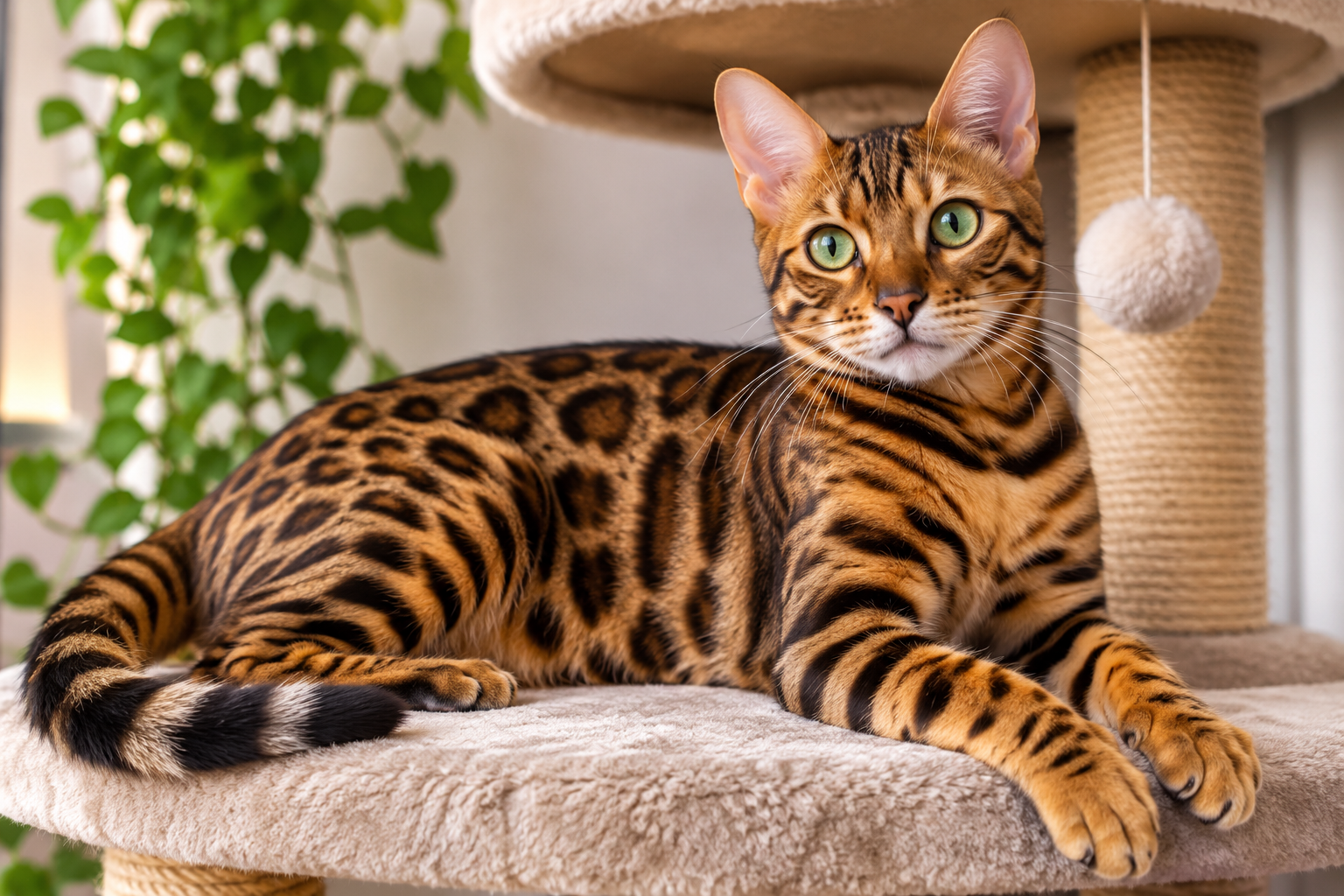
ACTIVE & INTELLIGENT
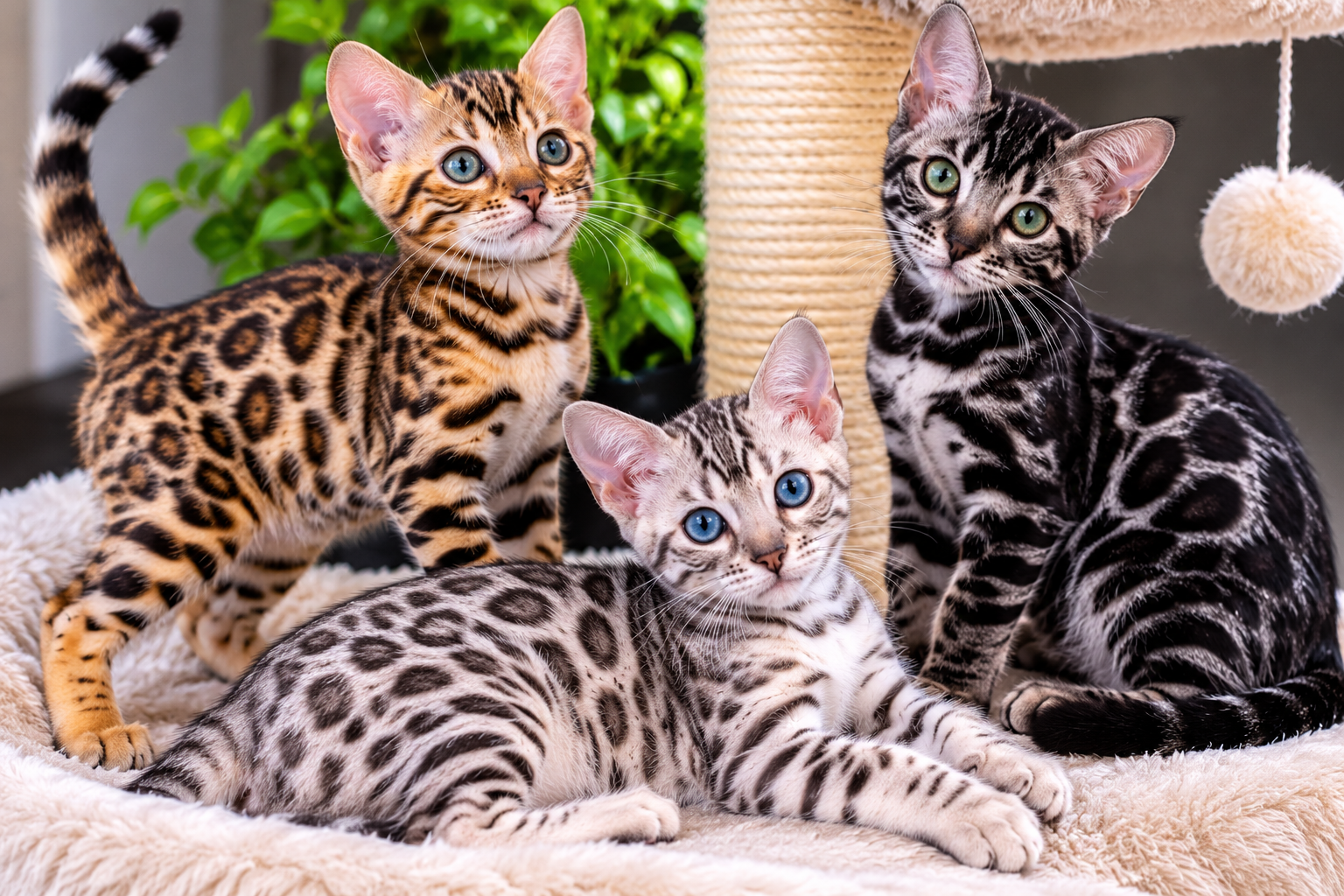
Bengal Cat
Known for its exotic spotted or marbled coat, athletic body, curiosity and playful nature.
EnergeticSmartPlayful
Discover cat breeds, nutrition, behavior, health, training and everything you need to know about raising happy and healthy cats.
Every cat breed has its own personality, appearance, coat and care requirements. Discover some of the most popular breeds around the world.
Known for its exotic spotted or marbled coat, athletic body, curiosity and playful nature.
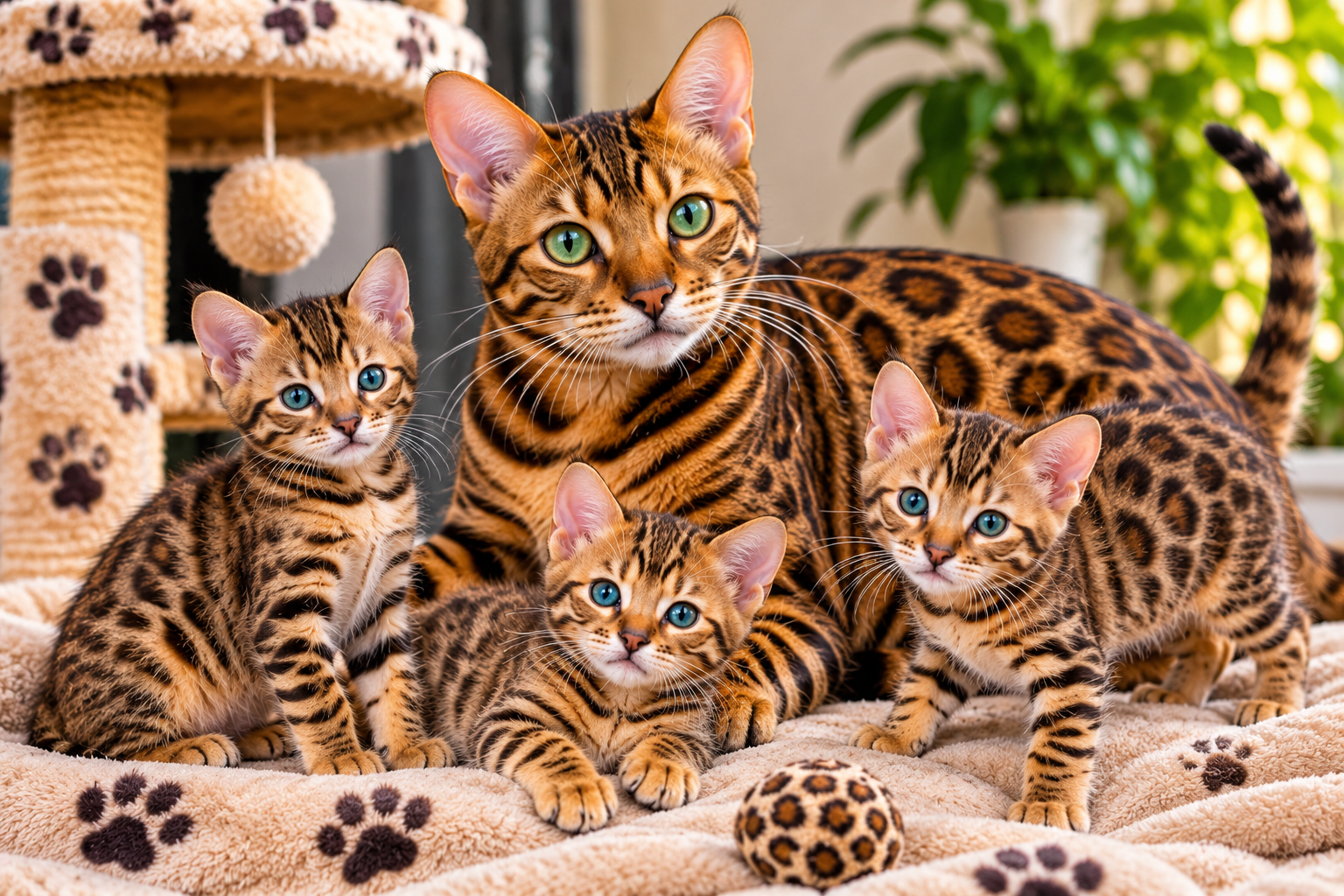
Famous for its long coat, round face and generally relaxed personality. Needs regular grooming.
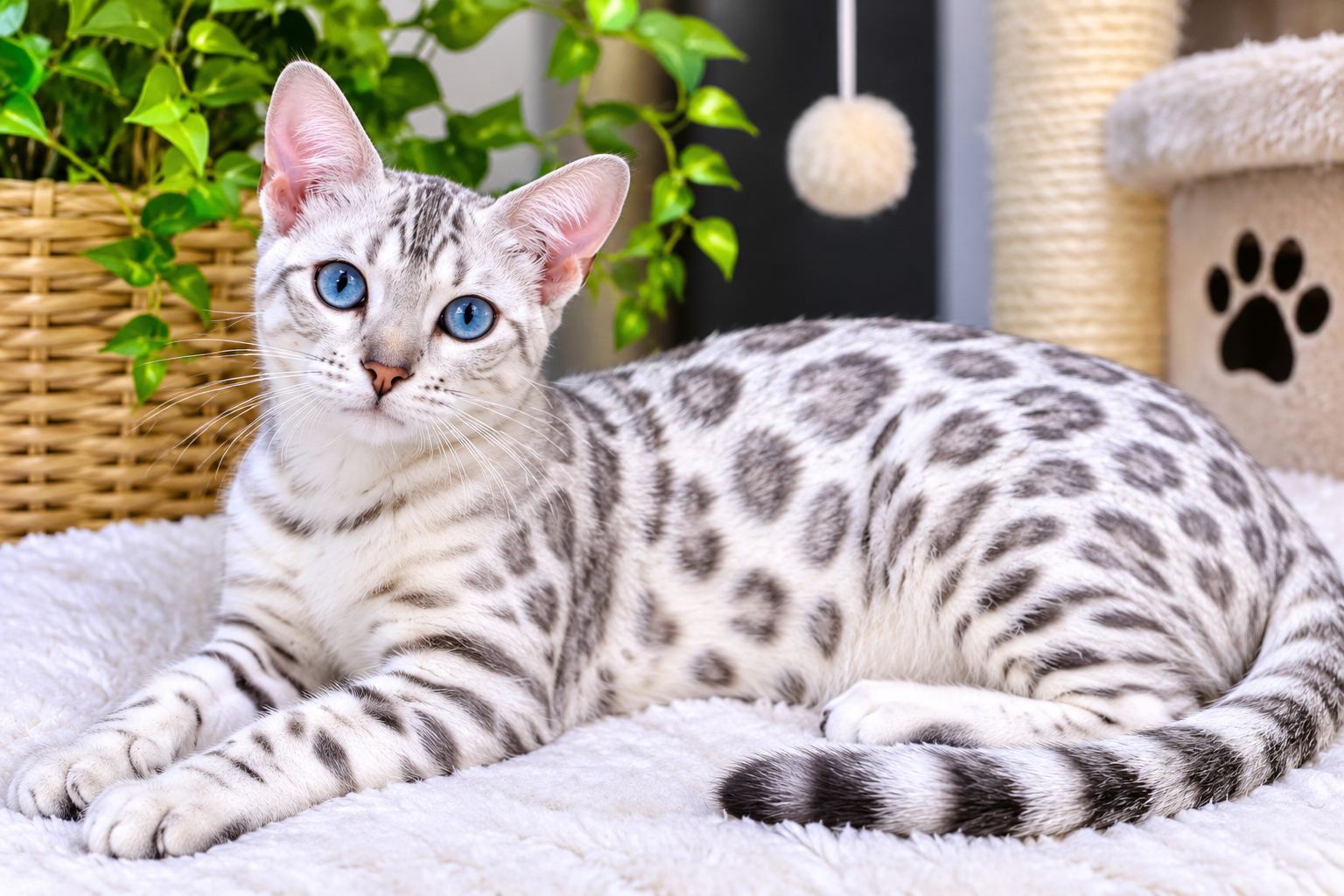
Recognized for blue eyes, color-point markings and an affectionate, communicative personality.
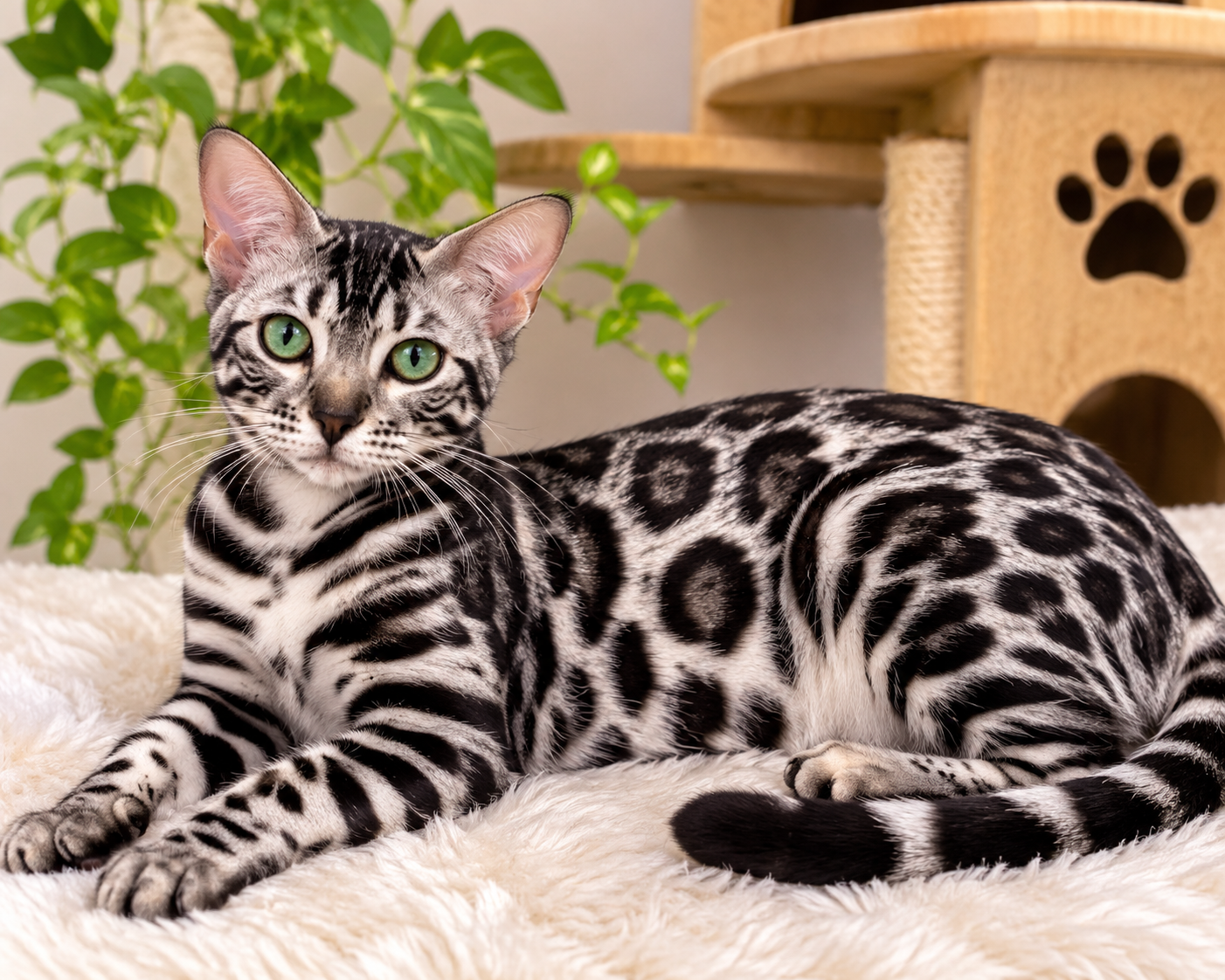
A large breed with a thick coat, tufted ears and a reputation for being gentle and sociable.
Known for a dense coat, rounded appearance and an independent but affectionate nature.
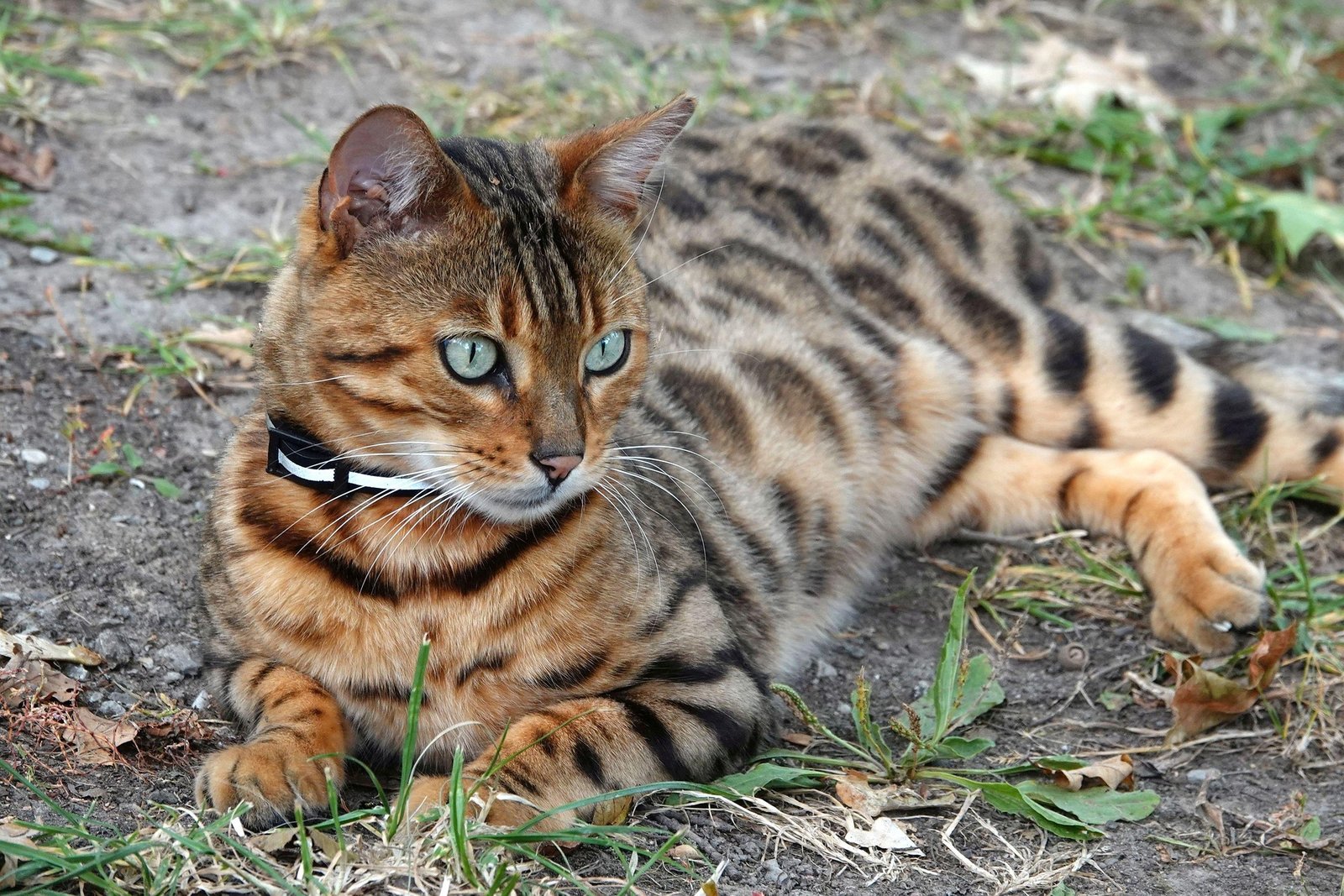
A large, semi-longhaired cat breed often appreciated for its gentle and people-oriented temperament.

Recognized for its hairless appearance. Its skin needs regular cleaning and protection from temperature extremes.

An athletic cat with a ticked coat, high energy and a strong interest in exploring its surroundings.

A mixed-ancestry cat rather than one specific pedigree breed. Personalities and appearances vary widely.
Cats are obligate carnivores. They need a complete, balanced diet formulated for cats, with appropriate animal-based nutrients and constant access to clean water.
Food portions and feeding frequency depend on age, weight, activity, health and the food's calorie content.
Every cat has its own personality, but many cats enjoy certain activities and prefer a safe, predictable environment.
Many cats enjoy chasing toys, feather wands and moving objects.
Sunny windows, cozy beds and comfortable resting spots.
New scents and food aromas can stimulate feline curiosity.
Many cats love shelves, cat trees and elevated resting places.
Sudden loud sounds can frighten or stress many cats.
Many cats dislike being forced into water. Individual preferences differ.
Pulling tails, squeezing or handling a cat roughly can cause fear and pain.
Some cats find sudden changes in their home and routine stressful.
A healthy cat needs more than food. A safe home, daily interaction, hygiene, enrichment and preventive veterinary care are all important.
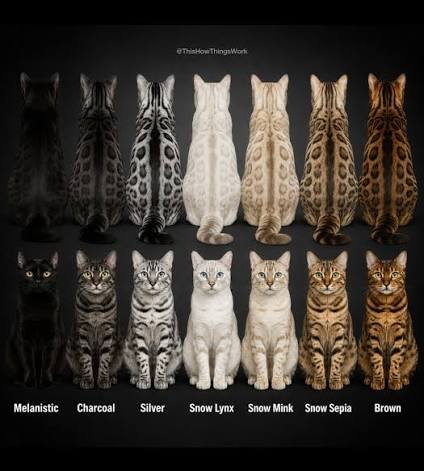
Remove dangerous objects, secure windows and provide a quiet resting area.
Keep the litter box accessible, scoop waste daily and clean it regularly.
Brush according to coat type to reduce loose hair and prevent tangles.
Use interactive toys, climbing structures and supervised play sessions.
Introduce cat-safe tooth brushing and ask your veterinarian about dental checks.
Keep vaccinations, parasite prevention and routine examinations up to date.
Respect your cat's boundaries and allow it to approach you at its own pace.
Many domestic cats live around 13 to 17 years, although individual lifespans vary. Nutrition, preventive care, genetics and lifestyle all matter.
Some cats live into their twenties. Keeping a cat at a healthy weight, providing preventive veterinary care and reducing outdoor hazards can support a longer, healthier life.
Birth to around 6 months. Rapid growth and learning.
6 months to around 2 years. Energy and social development.
3 to 10 years. Established routines and adult health needs.
Over 10 years. More attention to mobility and health.
Regular veterinary examinations and early attention to unusual symptoms can help protect your cat's wellbeing.
Vaccines protect against important infectious diseases. The schedule depends on age, health and lifestyle.
Ask your veterinarian about safe protection against fleas, ticks and intestinal parasites.
Regular dental care helps reduce plaque, gum disease and other oral health problems.
Monitor body condition and food portions to help prevent obesity.
Look for unusual hair loss, irritation, wounds, parasites or changes in grooming habits.
Adult cats generally need at least annual examinations. Senior cats may need more frequent visits.
If your cat has difficulty breathing, collapses, cannot urinate, has seizures, or may have eaten a toxic substance, seek urgent veterinary care. Never give human medication without veterinary instructions.
Kittens need warmth, appropriate nutrition, gentle socialization and regular veterinary care as they grow.
Need their mother's care, warmth and frequent feeding. Orphaned kittens require specialized guidance.
A common age range for kittens to move to a new home, after appropriate weaning and preparation.
Active learning, play and social development. Continue kitten-formulated food.
Continue growth monitoring, veterinary care and age-appropriate nutrition.

Explore the beauty, colors and personalities of cats.

Discover the unique expressions of our feline friends.

Curiosity, movement and the joy of play.
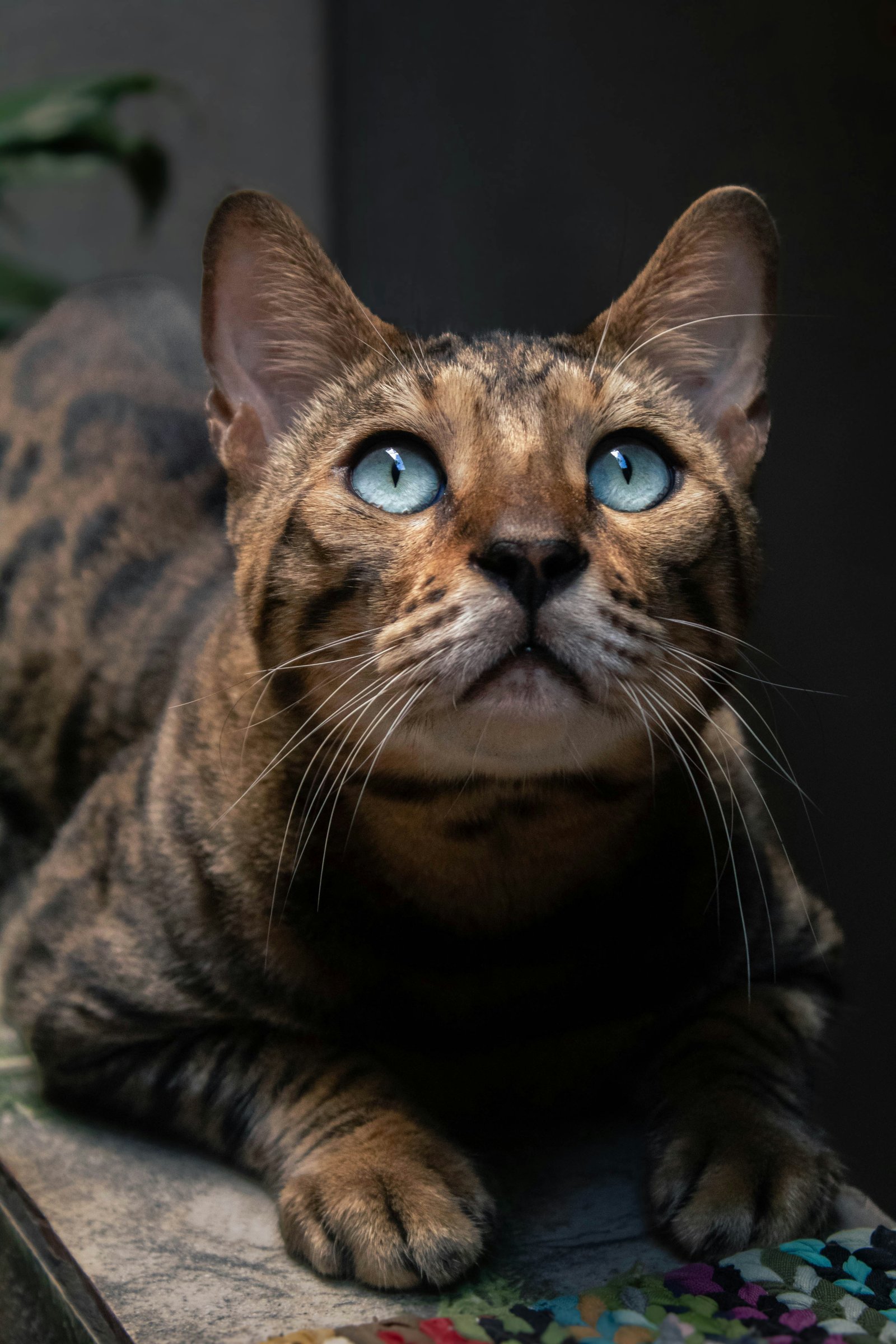
Quiet moments in the wonderful world of cats.
Helpful answers to common questions about cats.
Many domestic cats live approximately 13 to 17 years, but some live longer depending on their genetics, health and care.
A complete and balanced cat food suitable for the cat's life stage is a good starting point. Ask your veterinarian for individual feeding advice.
Many adult cats have difficulty digesting lactose. Fresh water is the best everyday drink.
Many adult cats do well with two measured meals daily, while kittens generally need more frequent meals.
Indoor living can reduce risks such as traffic injuries, fights and infectious diseases. Safe outdoor access can be considered with appropriate supervision and protection.
Healthy adult cats generally need at least an annual checkup. Kittens and senior cats often need more frequent examinations.
Chocolate, onions, garlic, grapes, raisins, alcohol and several other foods can be dangerous. Keep questionable foods away and contact a veterinarian if ingestion occurs.
Provide a safe home, good nutrition, fresh water, clean litter, daily play, comfortable resting areas and respectful attention.
Explore veterinary and animal welfare resources for more detailed guidance.